Untouched forest, cold rivers and waterfalls most travellers never find. Bosnia's wild side, walked with people who grew up in it.
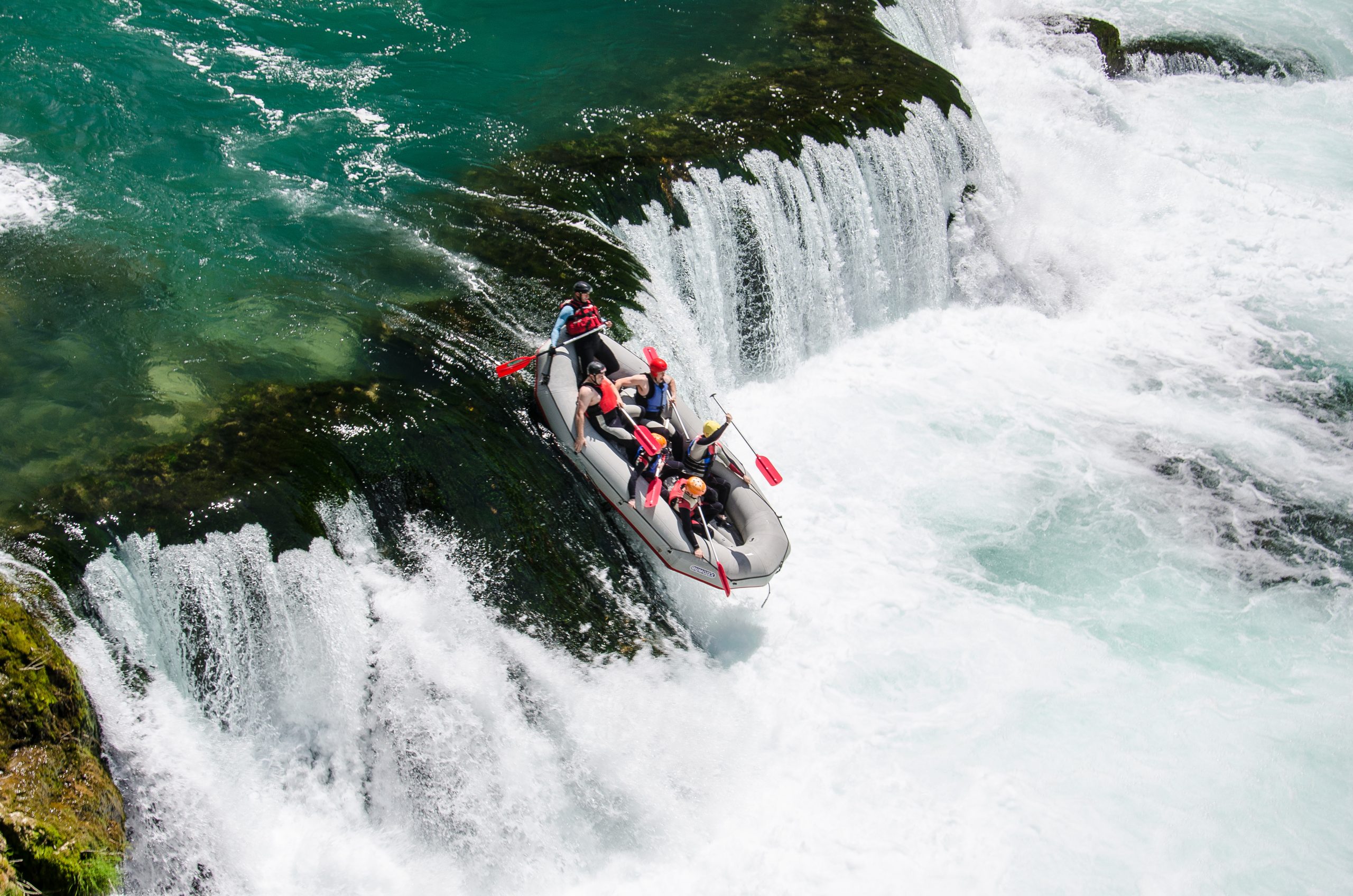
The rivers are the story in Bosnia, but they're not the whole story. Cold, clear, and largely untouched by the kind of development that's changed similar waterways elsewhere in Europe — this is a country where you can still find a waterfall with no path built to it and no one else standing there when you arrive. The Una in the northwest is the purest example: rafting beneath the 25-metre Štrbački buk inside a national park most travellers have never heard of.
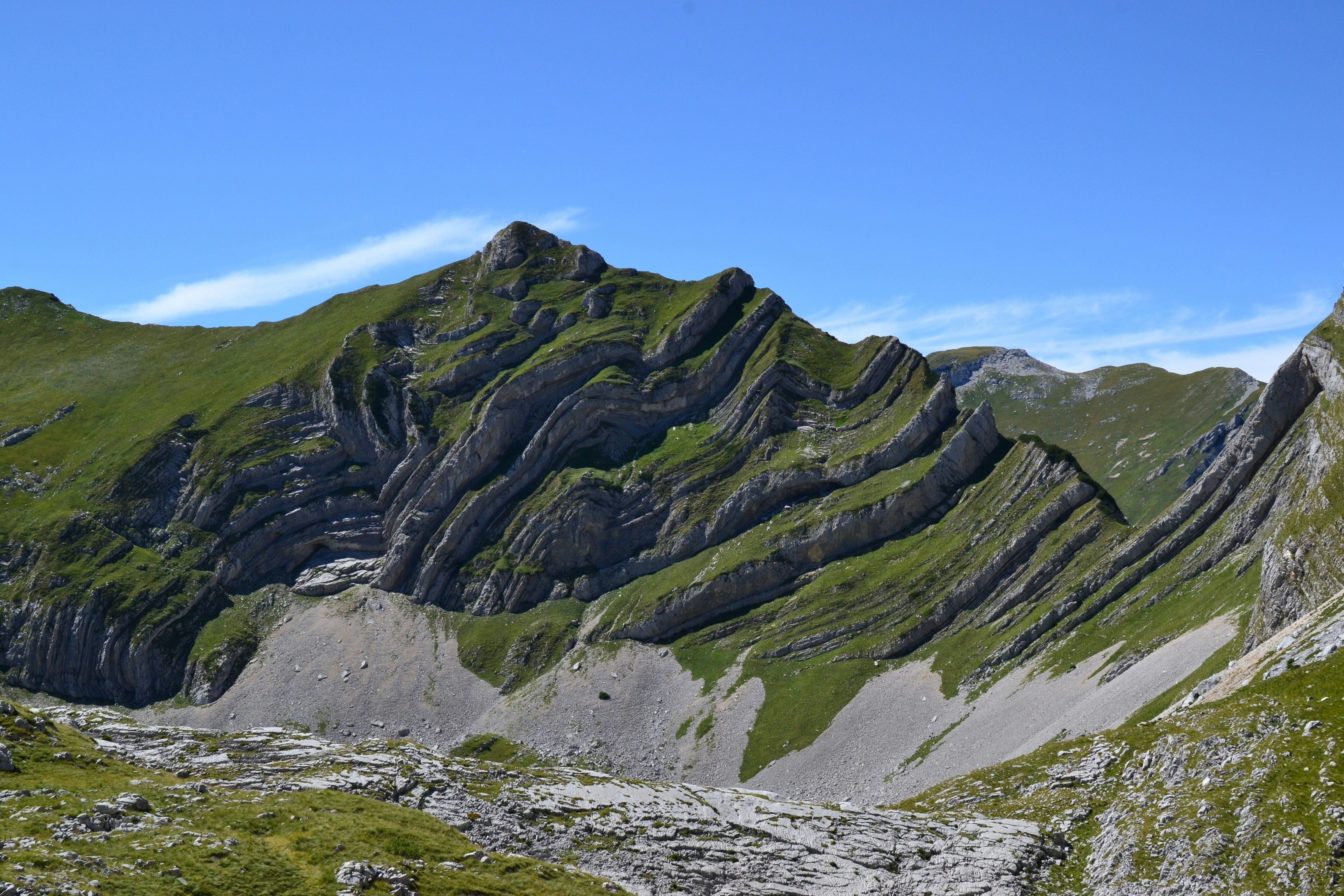
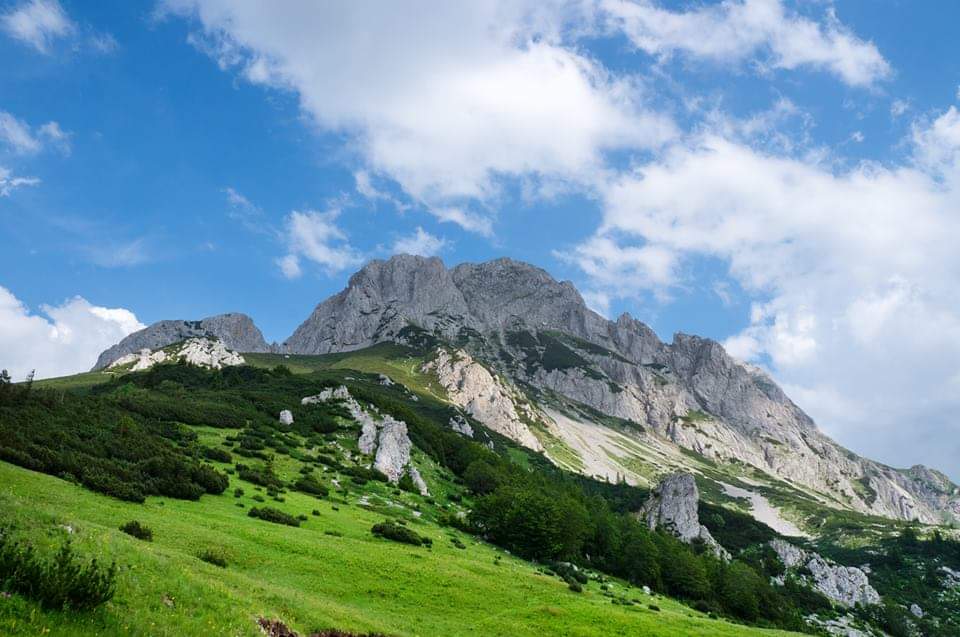
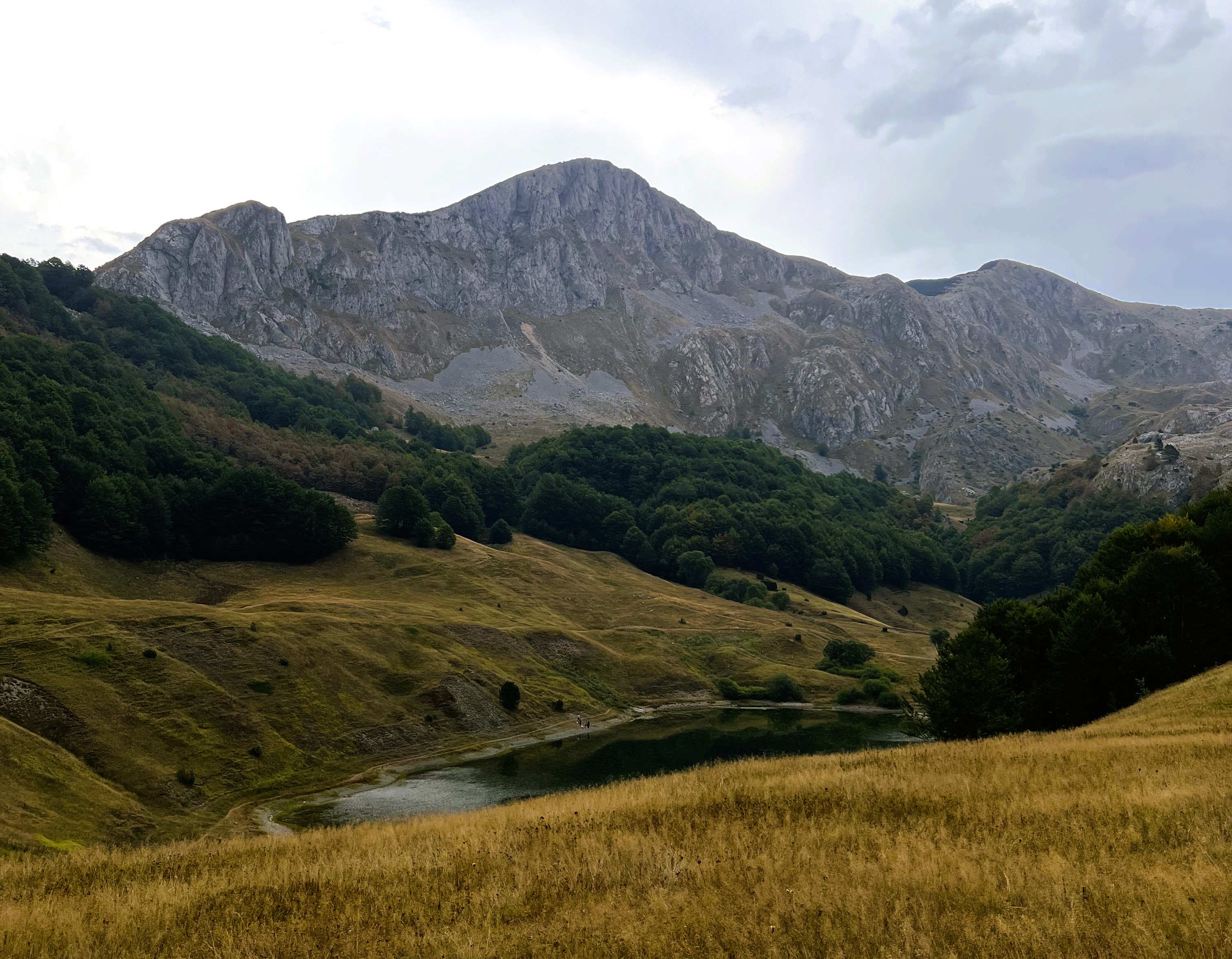
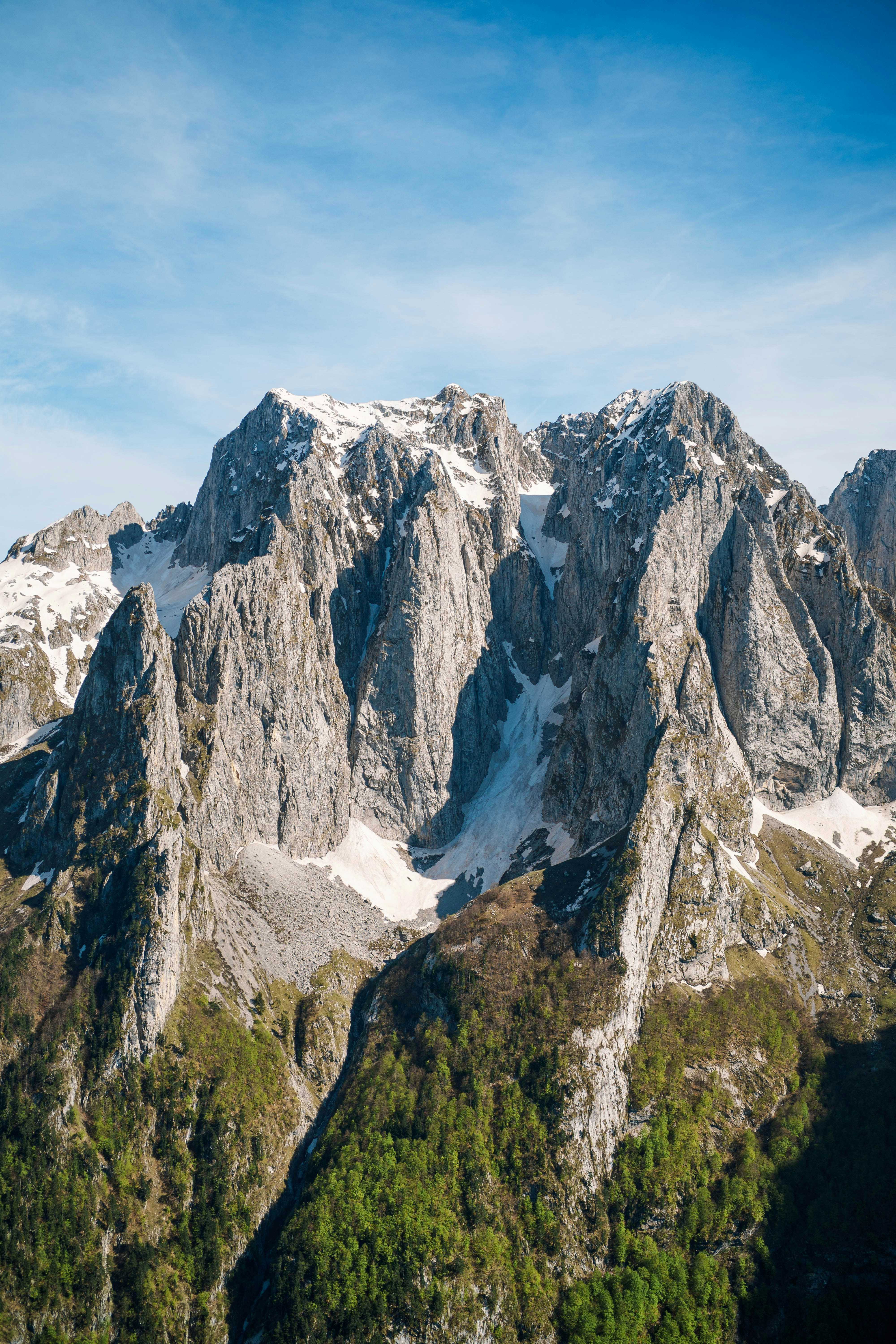
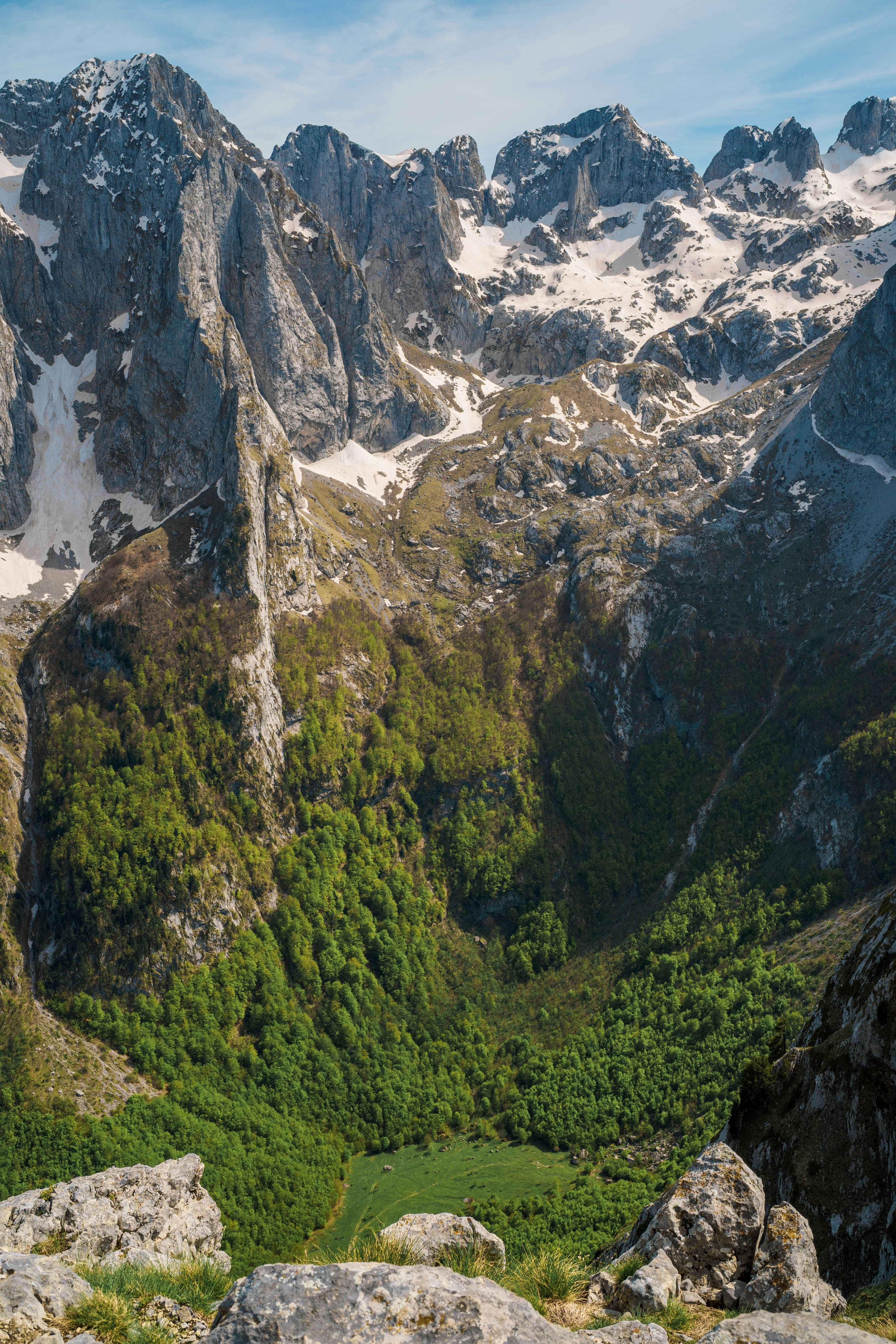
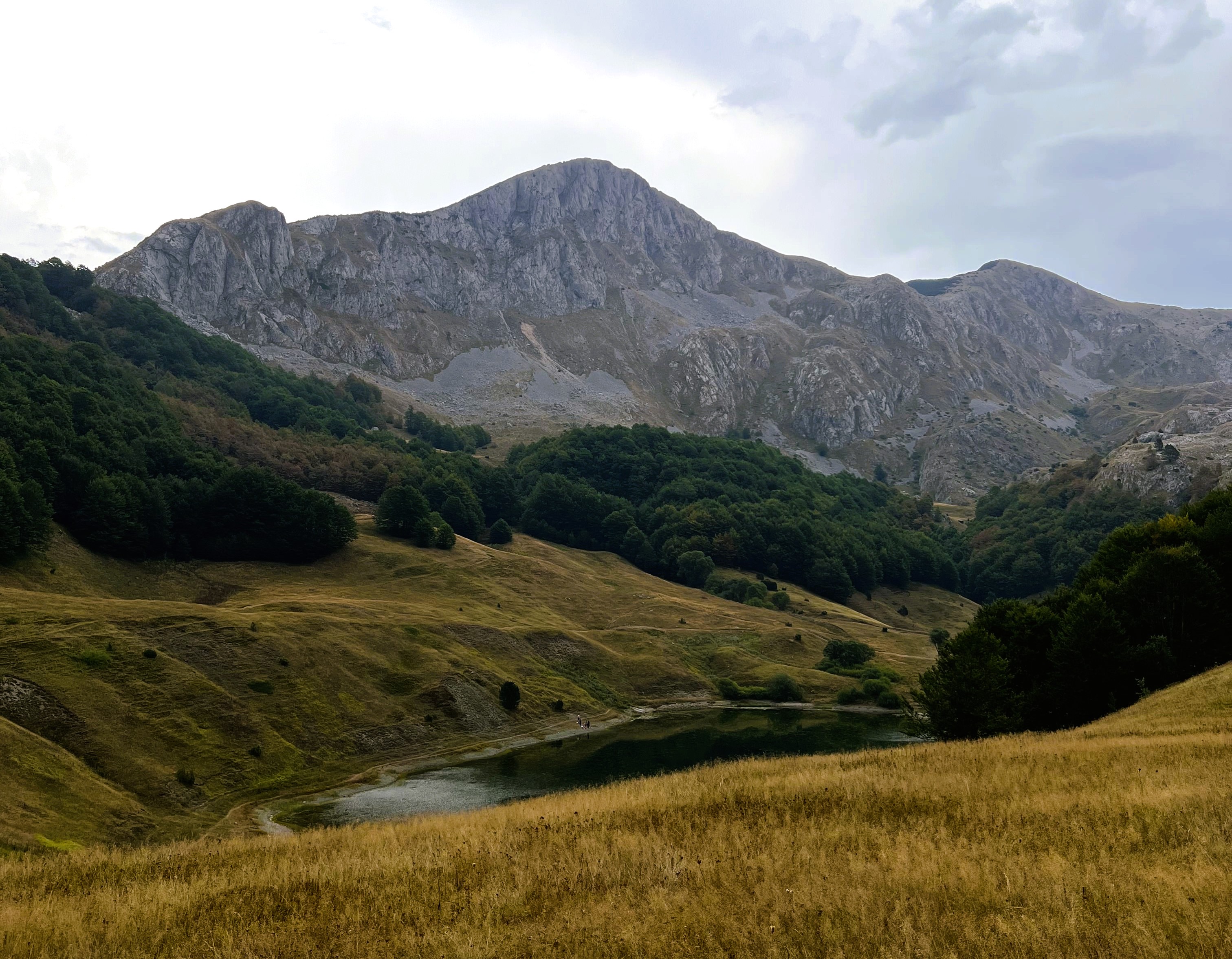
Above the rivers, the mountains hold their own kind of quiet. Sutjeska's high country — Maglić, Volujak, the old-growth silence of Perućica — is where Bosnia's wildness climbs out of the water and up into thin air, dense forest, and a stillness that's hard to find elsewhere in the region. It's a quieter kind of dramatic than Montenegro's peaks or Albania's alps — less about summits, more about what's hidden in the folds of the landscape, and the particular peace of walking somewhere almost no one else has thought to go. People who come for one river usually leave planning a trip built around three or four — and a mountain morning to go with them.
Winter changes Bosnia's rivers into something else entirely — the forests around Sutjeska hold snow long after the rafting season ends, open to snowshoeing for anyone willing to trade water for quiet.
01
Cold, clear rivers most travellers never find
02
Old-growth forest and waterfalls with no built infrastructure — Perućica, one of Europe's last primeval forests, hidden inside Sutjeska National Park
03
The Hrčavka canyon — natural waterslides and emerald pools inside Sutjeska, Bosnia's most accessible canyoning adventure
Best Season
May–September; June–October for canyoning (water temperature), with the Una at its most beautiful in June and September. Winter brings snowshoeing into Sutjeska's high country, for those who want the forest without the crowds — even in summer.
Ideal Duration
4–6 days
Suitable For
Travellers who want nature-forward, lower-intensity days rather than summit pushes — rafting, canyoning, waterfall walks and forest trails
Character
Quiet, water-and-forest focused, gentler pace than the mountain-heavy destinations
WAYS TO EXPERIENCE IT
A few ways to experience this landscape — each one adapted to your pace, interests and experience.
Do I need rafting or canyoning experience?
No — the flagship activities are guided and beginner-friendly: Neretva rafting (Class II–III), Hrčavka canyoning (from age 10, moderate fitness), and Una rafting sections from Class I family floats upward. Experienced paddlers and canyoneers get their own upgrades (Tara full-canyon expeditions, Hrčavka Advanced, Rakitnica).
Is the water cold?
Yes — these are cold mountain rivers even in summer (the Tara runs at 10–12°C); full neoprene wetsuits are provided for canyoning, and neoprene suits for rafting.
What's the water level like at different times of year?
Spring (April–June) brings the highest, most powerful water — the most exciting rafting and the strongest canyon flows. From July the rivers drop and warm: rafting stays excellent (Tara and Neretva run to October), canyoning season runs June–October, and late summer brings the warmest pools and calmest family conditions. Bosnia's main rivers run all season.
Can families with older kids join?
Yes — Hrčavka canyoning takes children from age 10, Neretva has a dedicated family mini-rafting run (from age 3–5), and Tara rafting welcomes children in the calm summer months. Our team can help identify age-appropriate options.
Is Perućica forest open to independent visitors?
No — and this is worth stating clearly. Perućica is a strict reserve inside Sutjeska National Park: entry is allowed only on marked trails with a licensed national-park guide, in small groups of 8–10 people, with a maximum of 10 groups admitted per day. The visit starts at the Dragoš Sedlo viewpoint; the Dragoš Sedlo and Beškita viewpoints over the forest can be visited independently. These visits are arranged through our local operating partner — advance booking matters in July–August when groups fill.
Not sure where to begin?
Tell us what kind of days you imagine — quiet trails, high peaks, clear rivers or a little of everything — and we’ll help identify the right direction and local partner.
© 2026 Borova. All rights reserved.
.svg)