LIVNO · WILDLIFE & PHOTOGRAPHY EXPERIENCE
Travel across the open highlands beneath Mount Cincar in search of Livno’s free-roaming horses, shaped by generations of life beneath an open sky.
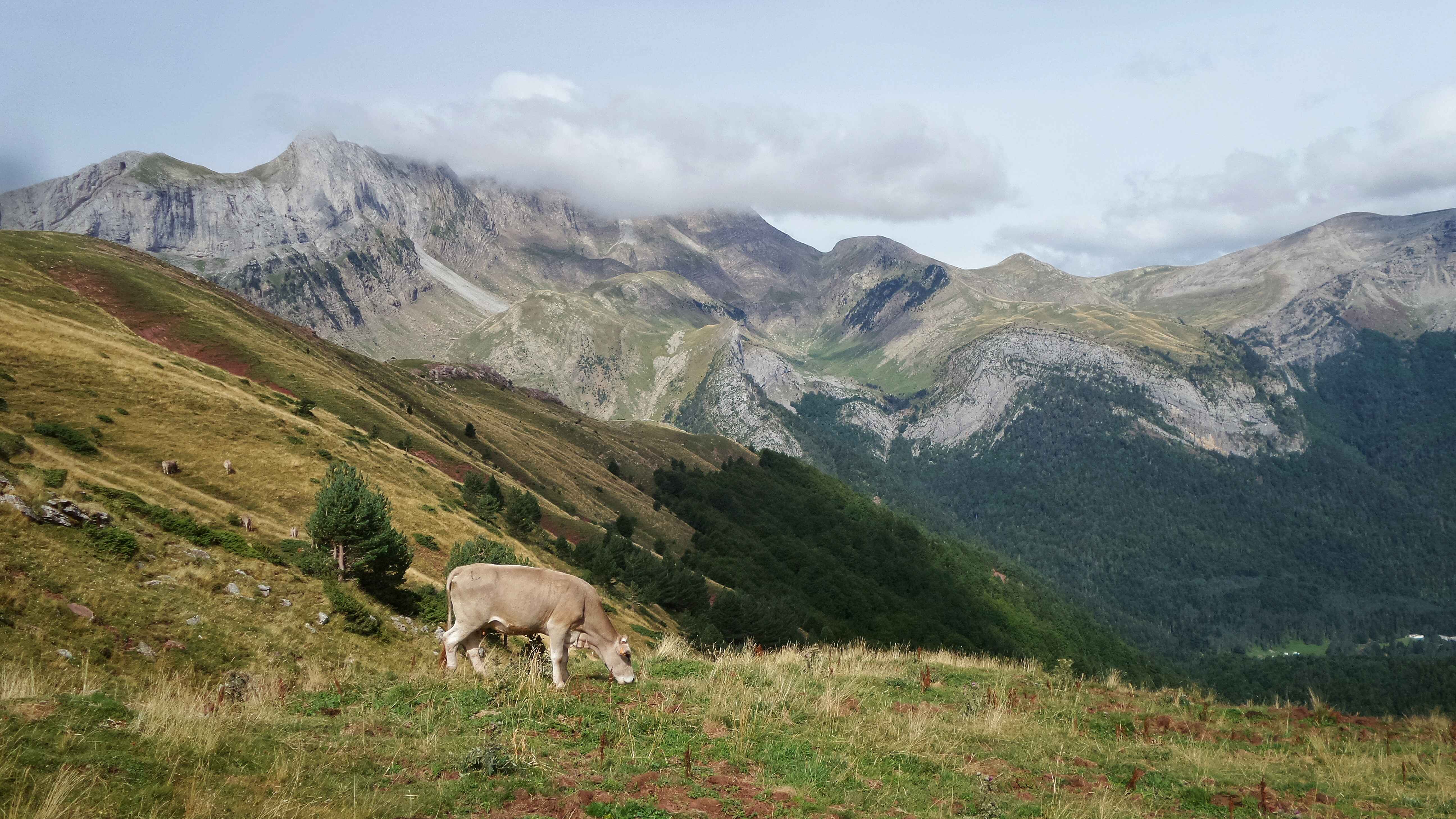
Above the town of Livno, the landscape opens into a vast plateau of grass, stone and sky. Somewhere across it, sometimes visible on the horizon and sometimes hidden beyond the next ridge, hundreds of horses move freely through the highlands.
Their story began with the transformation of rural life. As machinery gradually replaced horses in agriculture during the twentieth century, some working animals were released onto the mountain. Over successive generations, their descendants adapted to life without stables or fences, enduring summer heat, winter snow and the powerful winds of the Kruzi plateau.
They are more accurately described as free-roaming or feral horses rather than a genetically wild breed—but seeing them move across the open landscape feels undeniably wild.
With a local guide who understands their movements and behaviour, the journey follows mountain tracks across the plateau in search of the herd. Once the horses are found, the pace slows. Engines are turned off, distance is respected, and there is time to observe the quiet relationships within the group: mares protecting their foals, young horses testing one another and stallions watching from the edge.
This is not a staged animal encounter. The plateau belongs to the horses, and every visit unfolds on their terms.
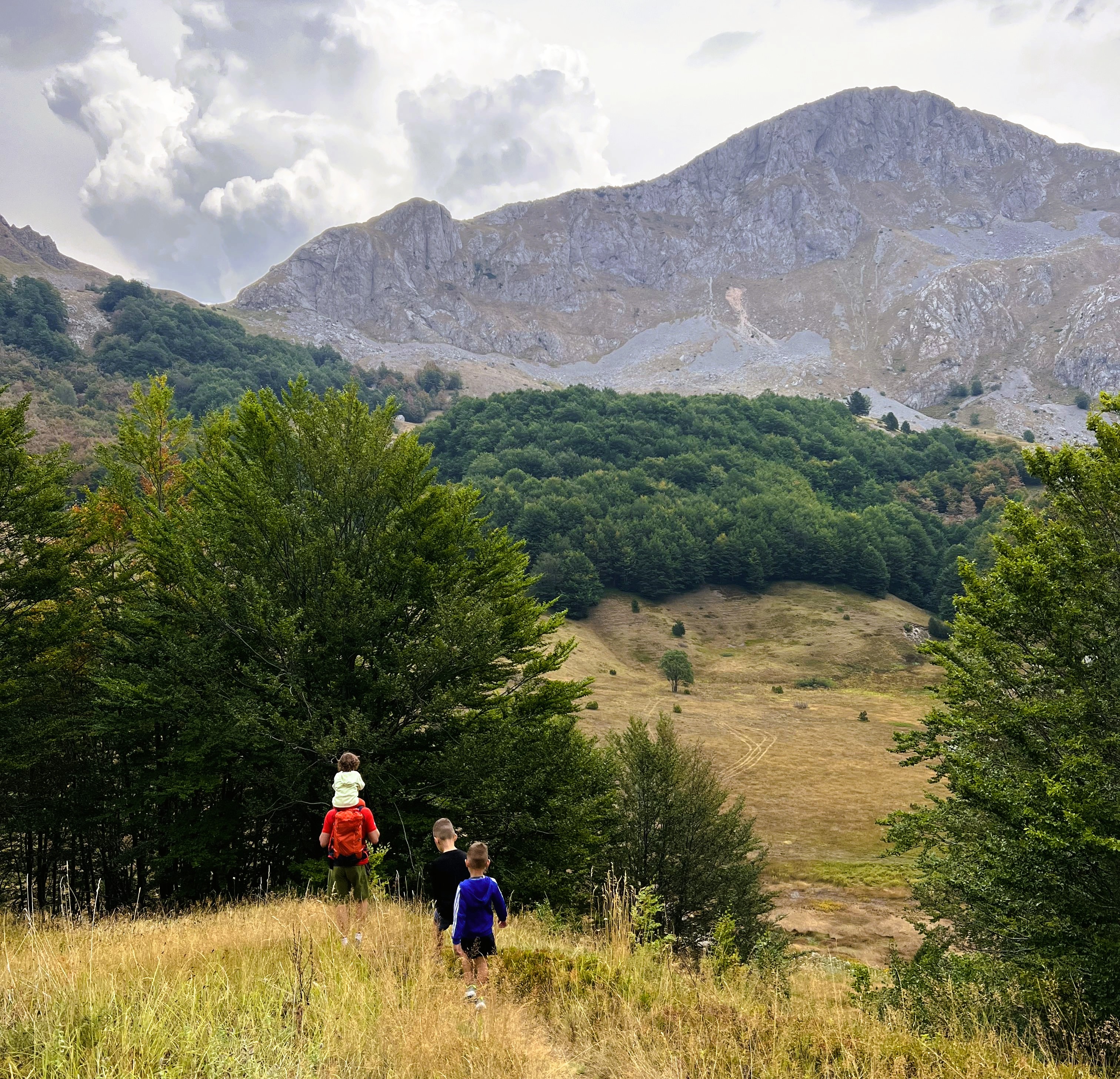
The experience begins in Livno before leaving the town and climbing towards the open plateau beneath Mount Cincar. A local guide selects the most suitable route according to weather, road conditions and recent knowledge of the herd’s movements. As the last houses disappear, wide grasslands and distant mountain ranges take their place.
The horses are not kept in an enclosure or gathered for visitors. They move across the plateau in response to water, grazing, weather and the social dynamics of the herd. Finding them is part of the experience. Some days they appear quickly; on others, reaching them requires a longer journey across the highlands.
From a distance, the horses may first look like a single moving herd. Time spent watching reveals something more complex: smaller family groups, protective mares, curious young horses and the changing relationships between stallions. A knowledgeable guide helps visitors understand what they are seeing without turning the encounter into a performance.
The Kruzi plateau offers a remarkably clean visual landscape—open grass, low ridges, changing clouds and horses moving freely across the horizon. Early morning and late afternoon can bring the most atmospheric light, while every season gives the plateau a different character.
The strongest encounters are often the quietest ones. Visitors remain together and follow the guide’s instructions, allowing the horses to choose whether they stay at a distance or move closer. They are never chased, surrounded or approached simply for a photograph.
The experience can continue with a private picnic, local cheese and other regional food, or a relaxed meal after returning from the plateau—a fuller introduction to Livno's pastoral landscape and rural traditions.
| Location | Kruzi plateau beneath Mount Cincar, near Livno |
| Main experience | Responsible observation and photography of free-roaming horses |
| Access | Primarily by suitable local vehicle, followed by short walks when appropriate |
| Typical duration | Approximately 3–5 hours |
| Extended experience | Half or full day with photography, walking and a local meal |
| Walking distance | Flexible; usually limited and adapted to the group |
| Terrain | Rough mountain tracks, open grassland and uneven ground |
| Experience level | Easy |
| Group format | Private, small group |
| Wildlife encounter | Highly likely with local knowledge, but never guaranteed |
| Best period | Possible year-round; most comfortable from spring to autumn |
| Best light | Early morning or late afternoon, subject to season and weather |
There is deliberately no fixed route or precise walking distance. The horses move freely, so the itinerary is shaped around their location, the condition of the plateau and the amount of time the group wants to spend observing them.
For travellers who want a meaningful wildlife encounter without needing a demanding mountain hike.
The experience is particularly well suited to:
No previous hiking or wildlife experience is required.
Participants should be comfortable travelling on rough mountain roads, spending time outdoors in wind or sun and accepting that the horses—not the itinerary—determine how the encounter unfolds.
The standard experience can be adapted for different ages and fitness levels. Accessibility should be discussed in advance because vehicle choice and ground conditions vary.
A shorter private experience timed for early morning or late afternoon, when the plateau is quieter and the light can be especially beautiful. The focus is on finding the herd, observing its behaviour and allowing generous time for photography without trying to cover a large area.
Best for: photographers, couples, families and travellers with limited time.
A slower half- or full-day experience combining the search for the horses with short walks, panoramic stops and a private picnic or local meal. Depending on the season and the group’s interests, the day can include more time exploring the plateau or a carefully selected additional location around Livno.
Best for: travellers who want to understand the landscape and story surrounding the horses, rather than visiting only for a photograph.
This flexibility allows Borova to adapt the experience to light, weather and the natural movement of the herd instead of promising a rigid safari route.
The Livno horses are accustomed to surviving independently and should never be treated as domestic animals.
Even a calm horse can react suddenly, particularly around foals, food, competing stallions or moving vehicles. Visitors must remain aware of the entire herd rather than focusing only on the animal directly in front of them.
Borova’s approach would include:
Conditions can change quickly. The plateau is exposed to strong wind, summer storms, fog, snow and intense sun, while rain can make mountain tracks muddy or unsuitable for some vehicles.
The local guide or operating partner may:
A close encounter or a particular photograph can never be guaranteed. The wellbeing of the horses always comes before proximity.
The responsible local partner confirms the final itinerary, guide, price, inclusions and booking terms before you reserve.
Final inclusions would depend on the personalised itinerary.
Neutral clothing is useful for photography, but specialist outdoor equipment is not required for the standard experience.
Tell us when you are travelling, who is joining you and whether your priority is photography, family time or a slower exploration of the Livno highlands. We'll shape a private experience around the season, the light and the natural movement of the herd.
Plan this experience →
© 2026 Borova. All rights reserved.
.svg)