Discover the best via ferrata routes in Bosnia, Serbia and beyond — real grades, certified guides, and practical advice for planning your 2026 trip
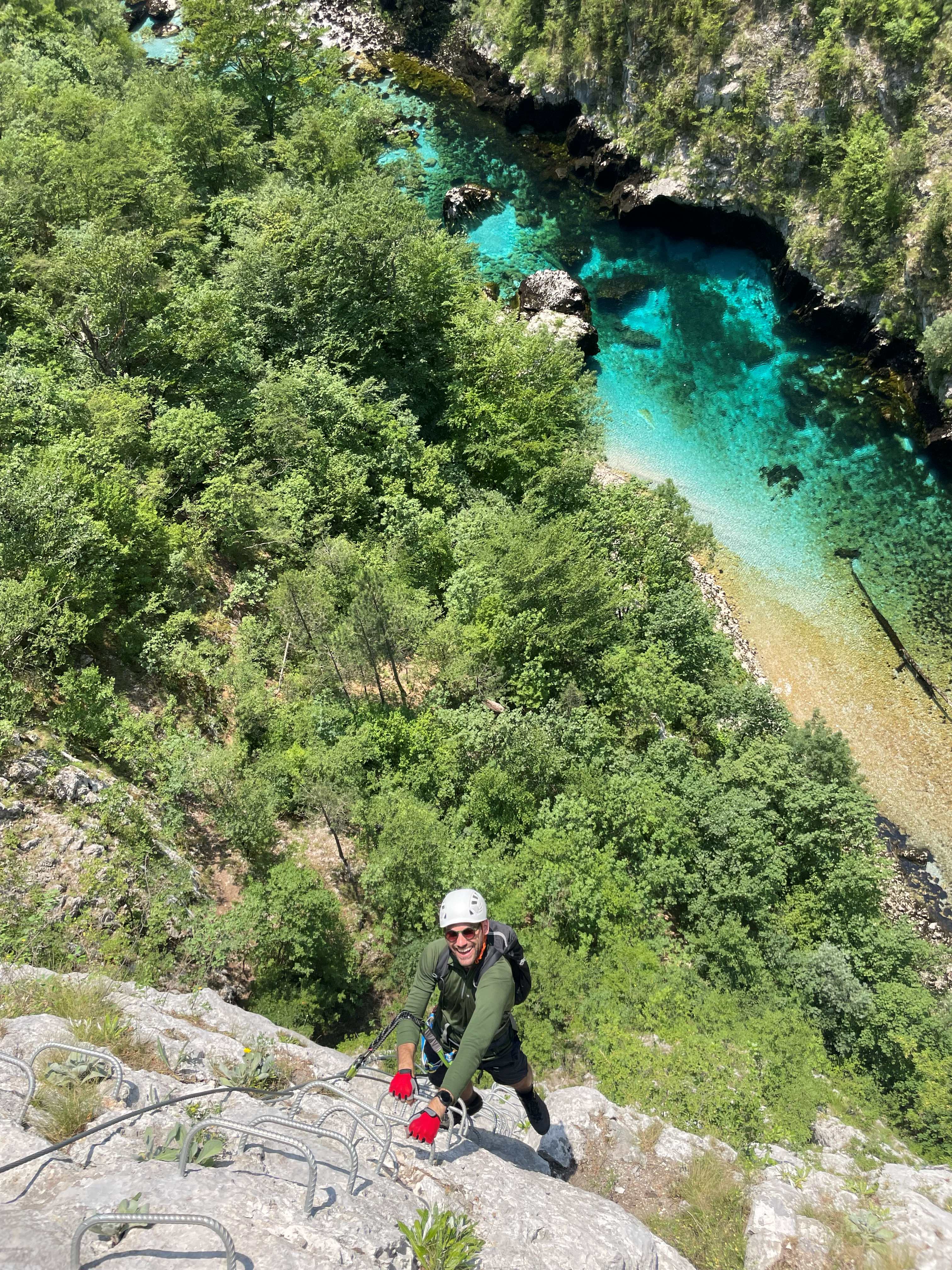
Via ferrata in the Alps gets all the attention. Fixed ropes on the Dolomites, crowded ledges above Innsbruck, guided queues on Lago di Garda. But a few hours southeast, the Balkans offer something the Alps can no longer provide: via ferrata routes where you might not see another climber all day.
This guide covers the best routes currently running in Bosnia, Serbia and the wider Balkans — with real grades, honest difficulty notes, and practical advice for planning a trip in 2026.
Why the Balkans for Via Ferrata?
The short answer: dramatic terrain, far fewer people, and a fraction of the cost.
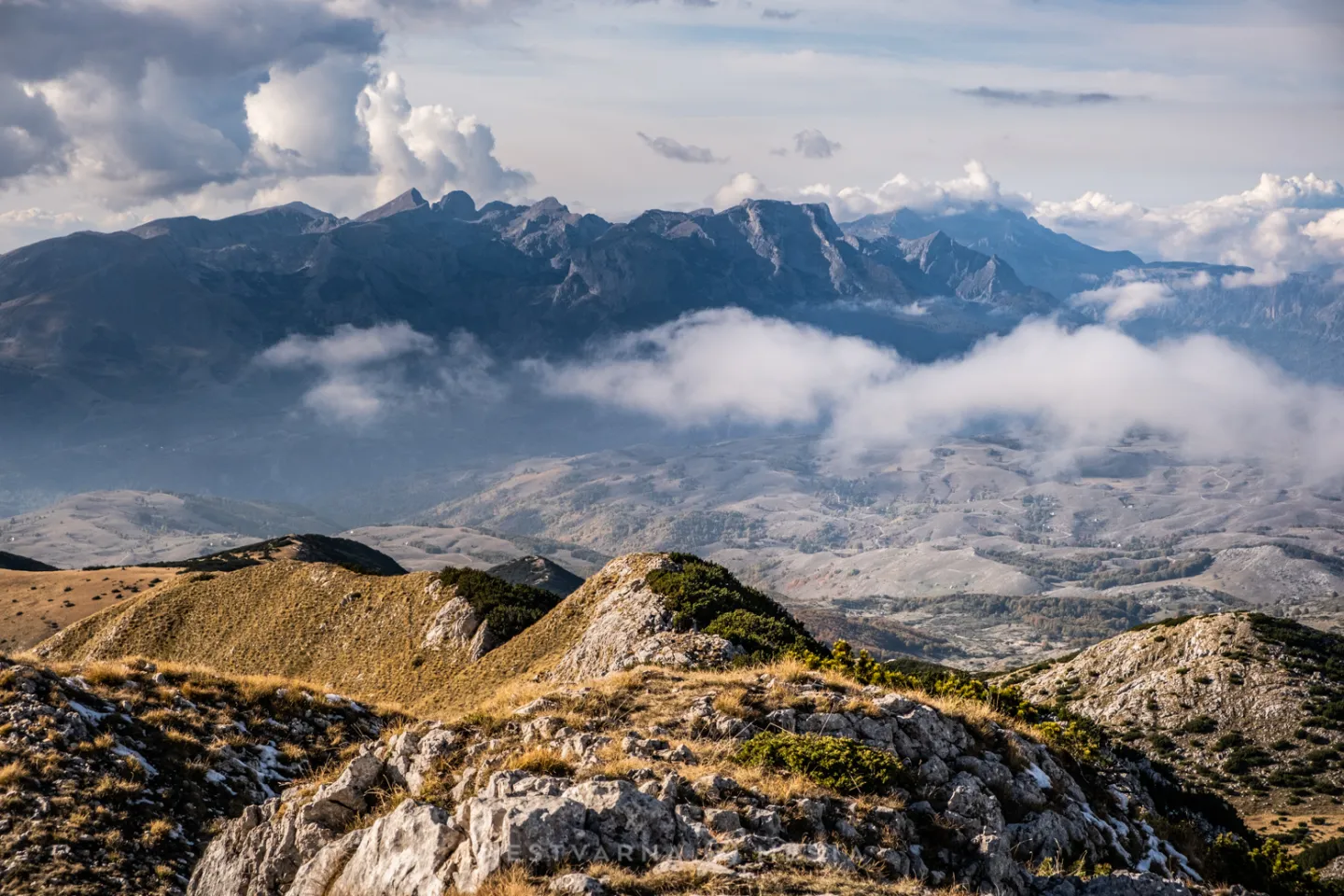
The longer answer involves geology. The Balkans sit on a complex mix of limestone karst, canyon walls, and river gorges — exactly the terrain that makes for compelling vertical routes. The hills above Sarajevo, the cliffs overlooking Mostar's Old Bridge, the canyon walls of eastern Serbia: these are not consolation prizes for climbers who couldn't afford the Dolomites. They are genuinely impressive landscapes that happen to be largely undiscovered by the international via ferrata community.
The infrastructure is younger than in the Alps. Some routes are still being documented and developed. That's a real limitation worth knowing — but it's also what makes 2026 the right time to go.
Bosnia & Herzegovina — Sarajevo
The hills immediately surrounding Sarajevo contain some of the most accessible and varied via ferrata terrain in the Balkans. Three routes in particular stand out:
Mrki medvjed (Grade C) and U spomen drugu (Grade C/D) are the routes that serious climbers come back for — sustained, committing, with views over the city that are hard to describe without sounding like you're exaggerating. Ormanj (Grade B/C) is the right starting point for those newer to via ferrata, technical enough to be interesting but manageable without prior climbing experience.
The city itself is part of why Sarajevo works as a via ferrata destination. You climb in the morning, walk the old bazaar in the afternoon. That combination — real mountain terrain within 30 minutes of a compelling European city — is genuinely rare.
Best season: April–June, September–October. Base: Sarajevo city centre. Grades available: B/C to C/D.
Bosnia & Herzegovina — Mostar
Mostar offers the most concentrated via ferrata experience in the region. Five routes — Hum, Fortica, Brina, Kuk, and an optional extension to Mali Šibenik on the Croatian coast — can be combined into a multi-day climbing trip with grades ranging from B to D.
The setting matters here: you're climbing limestone walls with the Neretva river below and the Ottoman old town visible from the rock. On the right route, at the right time of day, the light on those canyon walls is something else entirely.
The optional Adriatic extension — a short drive to Mali Šibenik followed by a swim in the sea — is the kind of thing that turns a climbing trip into a story worth telling.
Best season: April–June, September–October. Base: Mostar old town. Grades available: B to D.
For a detailed breakdown of all Bosnia & Herzegovina routes, see our complete Bosnia via ferrata guide.
Serbia — Via Ferrata Gornjak
Gornjak Gorge in eastern Serbia is one of the country's most striking natural features — a narrow limestone canyon carved by the Mlava river, with a medieval monastery built directly into the rock face. The via ferrata here follows the canyon walls above the river, with the monastery visible below on the approach.
BOROVA FIELD NOTE Gornjak is more than a dramatic backdrop to the climb. It remains a living Serbian Orthodox monastery, so approach it as a place of worship: keep voices low around the grounds, respect any local guidance and leave the photography until it can be done without disturbing others.
This is a day-trip route, well-suited to first-timers or as a warm-up before a more committing multi-day itinerary. Eastern Serbia as a region is almost entirely off the international travel radar, which is both the challenge and the appeal.
Best season: April–October. Base: Day trip from Belgrade (approx. 2.5 hours).
Serbia — Via Ferrata Mučanj
Mučanj mountain near Ivanjica in western Serbia offers something rare: three via ferrata routes of different grades — B, C, and D — within the same area. This makes it the most versatile single-location option in Serbia, well-suited for groups with mixed experience levels or climbers who want to progress across grades in a single visit.
The routes run 500 metres with 200 metres of elevation gain and take 2.5–3 hours to complete. Access from the trailhead takes around 15 minutes.
Best season: May–October. Base: Ivanjica.
Serbia — Via Ferrata Beljevinska Reka
Beljevinska Reka near Zlot in eastern Serbia is one of the newest via ferrata routes in the country, completed in 2026. Located on Južni Kučaj mountain in Bor district, the route runs 500 metres with 160 metres of elevation gain and takes approximately 2 hours.
Graded C/D, it sits in the same region as the Đerdap gorge and pairs well with a visit to the Iron Gates — making it a natural add-on for climbers exploring eastern Serbia.
Best season: April–October. Base: Zaječar or Bor.
Serbia — Via Ferrata Đurđevica (Ibar Canyon)
The Ibar Canyon near Ribariće in southwestern Serbia is one of the least-known via ferrata locations in the country — and one of the most rewarding for experienced climbers. The route climbs the Đurđevica rock face from 1,000 to 1,200 metres above sea level, covering 700 metres with 200 metres of elevation gain.
Graded C/D with a separate D/E variant, this is the most technically demanding route currently operating in Serbia. The canyon setting on the Ibar river adds a dramatic backdrop that rivals anything in the region.
Best season: May–October. Base: Tutin or Novi Pazar.
Romania — Beli Vuk Ferrata
Just across the Serbian border, Beli Vuk in Romania is a natural extension for climbers who want to combine countries in a single trip. The route sits within the broader Đerdap / Iron Gates region — one of Europe's most dramatic river gorges, where the Danube cuts between near-vertical canyon walls on the Serbian-Romanian border.
Combining Gornjak (Serbia) with Beli Vuk (Romania) over a long weekend gives you two distinct climbing experiences, two countries, and the Danube canyon as backdrop throughout.
Best season: May–June, September–October.
Grades and What to Expect
Via ferrata routes are graded from A/B (easiest) to F (most demanding). The routes currently offered in the Balkans by our partner guides run from B to D/E, covering the full range from complete beginners to experienced sport climbers looking for something serious.
What differs from Alpine via ferrata is the infrastructure around the routes. Expect fewer huts, less signage, and more variable trail conditions depending on the season. This is not a reason to avoid the Balkans — it is a reason to go with someone who has been on these specific routes before.
A Note on Guides and Safety
Every via ferrata tour is led by a licensed guide, and many of our partner guides are active members of the Mountain Rescue Service of Serbia (GSS). This is not standard practice across the Balkans — many operators work without licenses or relevant certifications. It matters more than it might seem: canyon terrain with variable fixed equipment is not the place to discover that your guide has never dealt with a problem.
Groups stay small — maximum 8 participants per guide. All personal ferrata kits, helmets, and harnesses are provided and maintained to EU standards by the local partner.
Gear and What to Bring
Your guide provides: via ferrata set (Y-lanyard with energy absorber), helmet, harness.
You should bring: hiking boots or approach shoes with ankle support, gloves (optional but useful on longer routes), layers, 1.5–2L water minimum per person.
Ready to Climb?
The Balkans via ferrata scene is small, which means guide quality varies enormously. We work with a select group of partner guides — people who have been on these routes in every season, who know which lines are worth your time and which aren't ready yet.
Use the trip planner to tell us your dates, experience level, and which countries interest you. We'll help match you with the right local partner and send a custom proposal within 24 hours.
FAQ
Everything you need to know before booking your Balkan adventure.
© 2026 Borova. All rights reserved.
.svg)