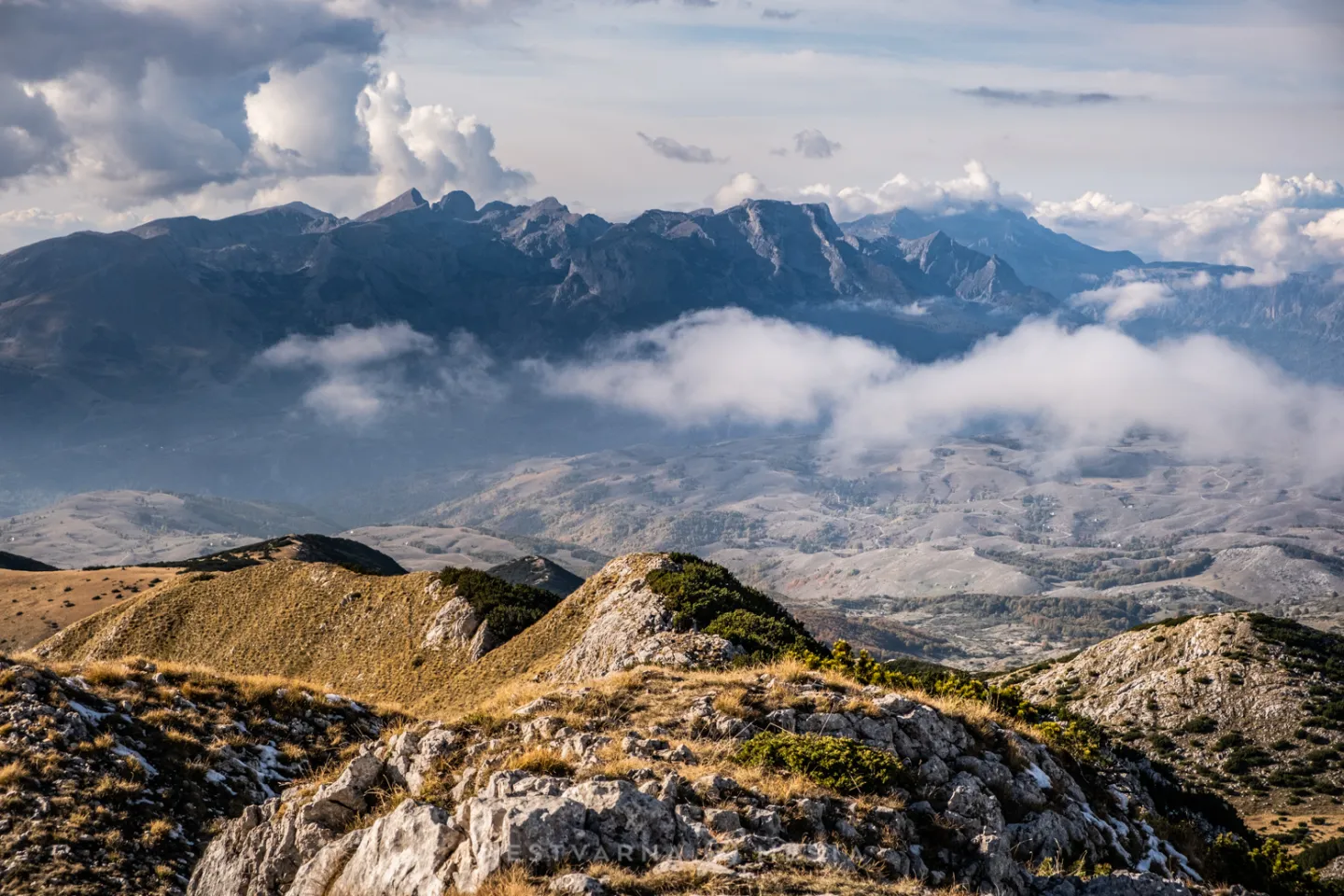
The complete guide to via ferrata routes in Bosnia & Herzegovina — Sarajevo, Mostar, Trebević, Prenj and beyond. Real grades, honest difficulty notes, and guided tours for 2026.

Bosnia & Herzegovina has quietly become one of the most interesting via ferrata destinations in Europe. The routes here span everything from gentle beginner lines above Sarajevo to serious multi-pitch climbing on the limestone walls of Prenj — and almost none of it appears in mainstream climbing guides.
This is a detailed breakdown of the routes currently accessible in 2026, organised by region and difficulty, with honest notes on who each route is right for.
Routes are listed with their difficulty grade (A/B through D and beyond) and a beginner suitability indicator:
Herzegovina has the most developed via ferrata infrastructure in the country, concentrated around Mostar and the Neretva valley.
Fortica (Grade A/B–B)
✅The most accessible via ferrata in the region and a logical starting point for first-timers. Fortica sits above Mostar with views over the old town and the Neretva river below. The route is short enough to complete comfortably in a morning, leaving the afternoon free to explore the city. For groups that include people new to via ferrata, this is where to begin.
Srce Veleža (Grade C/D/E)
❌Not a step up from Fortica — a different category of route. Srce Veleža — "Heart of Velež" — is a demanding, exposed mountain undertaking for experienced via ferrata participants with a high level of fitness; the approach and descent are a substantial part of the day. Confirm the exact route, current conditions, technical grade and timing with your local guide before planning a visit. Not suitable as a first via ferrata.
Vulin Potok (Grade B/C)
⚠️Located in Herzegovina, Vulin Potok sits between Fortica and Srce Veleža in terms of difficulty — a good second route for climbers who have done Fortica and want to push further before committing to Grade C terrain.
The hills surrounding Sarajevo offer some of the most varied and accessible via ferrata terrain in the country, with routes ranging from beginner-friendly to technically demanding — all within 30 minutes of the city centre.
Bukovik – Bijela Stijena (Grade B)
✅One of the best introductory routes in Bosnia. The Bukovik – Bijela Stijena line on the hills above Sarajevo is well-maintained, clearly marked, and genuinely enjoyable for climbers at any level. The views over the city from the upper sections are exceptional. Pairs well with an afternoon in Baščaršija.
BOROVA FIELD NOTE Our preferred Sarajevo rhythm: climb first, Baščaršija later. Begin the route with fresh legs and full attention, then let the old town’s cafés turn the afternoon into the easy part of the day.
Bijele Stijene (Grade B/C)
✅A natural progression from Bukovik, sitting on Trebević mountain directly above Sarajevo. Bijele Stijene offers slightly more technical climbing while remaining accessible to motivated beginners. The Trebević area has good infrastructure and is easy to reach from the city.
Sokolov Put (Grade B/C)
✅"Falcon's Path" runs on the Romanija plateau east of Sarajevo. A B/C grade route in a wilder, more remote setting than the Trebević routes — for those who want to get away from the city while still staying within easy reach of Sarajevo as a base.
Paolo Dieci (Grade B/C)
✅Konjuh mountain in central Bosnia is one of the least-visited areas in the country, and Paolo Dieci is its standout via ferrata. Named after an Italian mountaineer, the route offers genuine alpine character at a B/C grade — technically interesting without being overwhelming. For climbers looking to get off the well-worn Sarajevo–Mostar trail, this is worth the detour.
Paklarske Stijene (Grade C)
⚠️Central Bosnia's limestone offers some of the country's most dramatic rock faces, and Paklarske Stijene is among the best. A Grade C route suited to climbers with some experience — not the place to discover that via ferrata isn't for you, but very much worth it for those who are ready.
Prenj is Bosnia's most serious via ferrata mountain — a high limestone massif in Herzegovina with routes that attract experienced climbers from across the region. The terrain here is unforgiving and the commitment level is significantly higher than anywhere else in the country.
Prenjska Vrata (Grade C/D)
❌The most demanding route currently operating in Bosnia. Prenjska Vrata — "Gates of Prenj" — is a C/D grade line on Prenj's steep limestone walls. This is not a route for beginners or casual hikers. It requires solid via ferrata experience, good fitness, and a guide who knows the mountain. For experienced climbers, it is one of the most rewarding days in the western Balkans.
How many days do you need?Sarajevo alone justifies 3 days — you can combine two or three routes with city exploration without rushing. Adding Mostar extends the trip to 5–6 days comfortably. Prenj is a separate destination worth a dedicated overnight.
Beginner or experienced?Bosnia has excellent options at both ends of the spectrum. Beginners should start with Fortica (Mostar) or Bukovik–Bijela Stijena (Sarajevo). Experienced climbers looking for a challenge should look at Prenjska Vrata on Prenj.
When to go?April–June and September–October for Sarajevo and Mostar routes. Prenj and higher-altitude routes are best July–September when snow has cleared.
Guided or independent?Bosnia's via ferrata infrastructure is developing but not uniformly maintained. Fixed equipment condition varies by route and season. Going with a licensed local guide is strongly recommended — not just for safety, but because local knowledge makes a significant difference to the quality of the experience.
Borova connects you with licensed local guides suited to the route and your experience level. Guide qualifications, group size and equipment arrangements are confirmed with your local partner before booking.
Use the trip assistant to tell us your dates, experience level, and which routes interest you. Our team will follow up personally to help shape a proposal — we usually reply within 48 hours.
Plan your Bosnia via ferrata trip →
Borova helps you plan guided via ferrata journeys across Bosnia & Herzegovina, Serbia, Montenegro and the wider Balkans, delivered by local partners.
FAQ
Everything you need to know before booking your Balkan adventure.
© 2026 Borova. All rights reserved.
.svg)